

ICD-10 codes are used in virtually every corner of the UK healthcare system, from NHS inpatient admissions to private outpatient billing. Yet for many practitioners and practice managers, the fundamentals of how these codes work, where to find them, and how they apply in the UK context remain unclear.
This guide covers the essentials. Whether you are a GP, practice manager, or billing administrator, understanding ICD-10 codes is essential for accurate documentation, clean claims, and compliant record-keeping.
What are the ICD-10 Diagnosis Codes?
ICD-10 stands for the International Classification of Diseases, 10th Revision. It is the global standard for coding and classifying diseases, health conditions, and causes of death. Developed and maintained by the World Health Organization, ICD-10 is the framework that allows clinicians, coders, and health systems around the world to speak the same language when documenting diagnoses.
Each ICD-10 code consists of a letter followed by two digits, then a decimal point and up to three additional digits. For example, J06.9 refers to acute upper respiratory infection, unspecified. The first character (the letter) indicates the chapter or broad disease category. The following digits progressively narrow the classification to a specific condition. The World Health Organization’s ICD portal provides access to the full classification, including the latest updates and coding guidelines.
What ICD-10 Codes Are Used For
ICD-10 codes serve several distinct purposes in healthcare. In a clinical setting, they provide a standardised way to document the diagnosis that prompted a clinical encounter. In billing and claims processing, they tell the insurer or payer what condition was being treated, which determines whether a claim is valid and at what rate it should be reimbursed. In public health and research, aggregated ICD-10 data provides the statistical evidence that drives health policy decisions.
For UK GPs and private practitioners, the most immediate relevance of ICD-10 codes is billing accuracy. A claim submitted with an incorrect or imprecise code is more likely to be queried or rejected, creating delays in payment and additional administrative work.
ICD-10 vs ICD-11: What UK Practices Need to Know
The World Health Organization released ICD-11 in 2019, and it came into effect for reporting purposes in January 2022. The UK is currently in a transitional period, with NHS England’s clinical coding standards providing guidance on when and how to apply ICD-10 versus the evolving ICD-11 framework. For most private practices in the UK, ICD-10 remains the operative standard for billing and documentation, but it is worth monitoring NHS Digital’s guidance as the transition progresses.
Where Can I Find My ICD-10 Code?
Finding the right ICD-10 code for a specific diagnosis is a core clinical and administrative task, and the tools available for this vary in quality and accessibility. Here is how most UK practices approach it.
The WHO ICD Browser
The most authoritative source is the WHO ICD-10 online browser. This searchable database allows you to look up codes by diagnosis description or browse by chapter and category. It is free to use and reflects the full, maintained classification. For straightforward diagnoses, this is often the fastest route to the correct code.
NHS Digital Coding Tools
NHS Digital provides access to the NHS Data Dictionary and the SNOMED CT browser, which maps clinical terms to ICD-10 codes. For practices that use SNOMED CT as their primary clinical terminology, this mapping capability is particularly useful. NHS Digital’s coding resources also include regular bulletins and updates on changes to the ICD-10 classification that affect UK practice.
Practice Management Software with Integrated Code Search
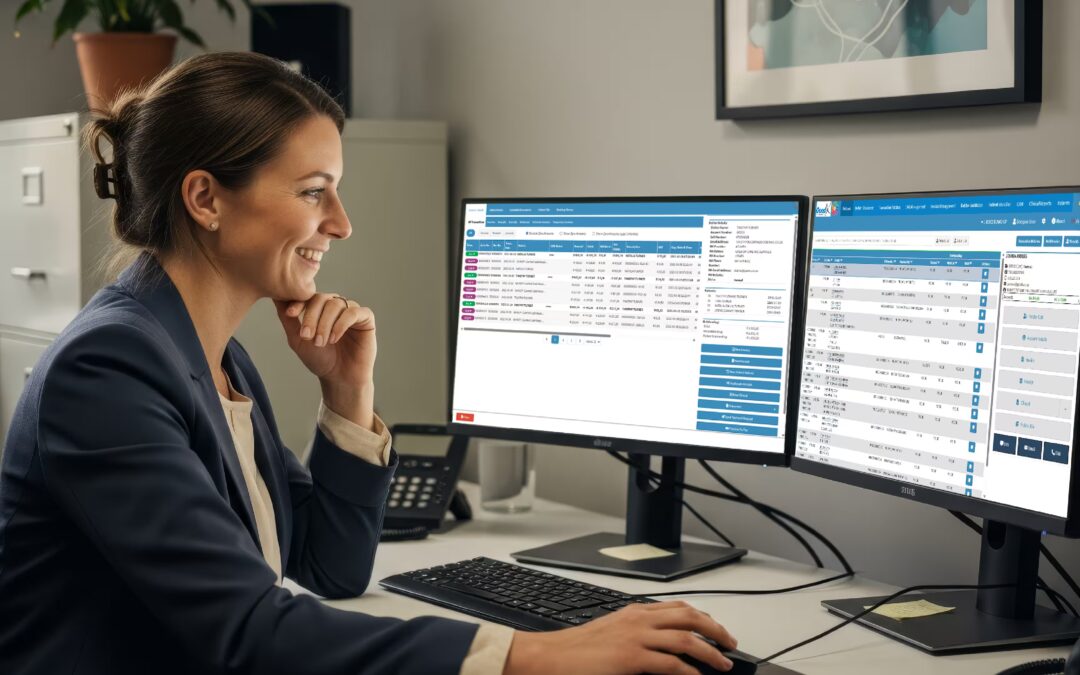
For most busy practices, the most practical approach is to use a practice management system that includes an integrated ICD-10 code search. GoodX, for example, allows clinicians to search for a diagnosis directly within the consultation record, which then maps it to the correct code automatically. This eliminates the need to look up codes in a separate browser and reduces the risk of transcription errors when copying codes manually from an external source.
Integrated code search also speeds up the consultation process, since the coding step happens as part of the clinical documentation rather than as a separate administrative task after the patient has left.
Is ICD-10 Used in the UK?
Yes, ICD-10 is used extensively across the UK healthcare system. Its use spans both NHS and private practice settings, though the specific application differs between the two.
ICD-10 in the NHS
Within the NHS, ICD-10 is the primary classification used for clinical coding of inpatient episodes, outpatient attendances, and day cases. Clinical coders working in NHS trusts use ICD-10 alongside the OPCS-4 procedure classification to produce the coded data that underpins NHS reimbursement through the national tariff, as well as national audit programmes and health statistics. Clinical Coding is a specialist profession within the NHS, governed by guidance from NHS Digital.
ICD-10 in UK Private Practice
In private practice, ICD-10 codes are required by most private medical insurers, including Bupa, AXA Health, Aviva, Vitality, and others. Private consultants and GPs submitting claims to insurers must include the relevant ICD-10 diagnosis code for the claim to be processed. Without the correct code, claims may be delayed, queried, or rejected.
For private practices using a platform like GoodX, the integration of ICD-10 coding into the clinical workflow means that the code is captured at the point of consultation rather than requiring a separate administrative step. This reduces errors and speeds up the claims process significantly.
ICD-10 in GP Referrals and Letters
UK GPs regularly include ICD-10 codes in referral letters and clinical correspondence to provide precise diagnostic context for receiving clinicians and specialists. The use of standardised codes reduces ambiguity in clinical communication and supports continuity of care, particularly when patients move between NHS and private settings.
Frequently Asked Questions
What are the ICD-10 diagnosis codes?
ICD-10 diagnosis codes are a standardised classification system developed by the World Health Organization for documenting diseases, health conditions, and clinical encounters. Each code consists of a letter and a series of numbers that identify a specific diagnosis. They are used in the UK for NHS clinical coding, private insurance billing, referral letters, and health data reporting.
Where can I find the right ICD-10 code for my patient?
You can look up ICD-10 codes using the WHO ICD-10 online browser, NHS Digital’s coding tools, or directly within your practice management software if it includes integrated code search. Using an integrated system like GoodX is the most efficient approach, as it maps the diagnosis to the correct code within the clinical record without requiring a separate lookup step.
Is ICD-10 used in the UK?
Yes. ICD-10 is used across both NHS and private practice settings in the UK. NHS trusts use it for clinical coding of inpatient and outpatient episodes. Private practitioners use it for insurance billing. GPs include ICD-10 codes in referral letters and clinical correspondence. It remains the operative standard for UK medical billing and documentation.
What happens if I use the wrong ICD-10 code?
An incorrect ICD-10 code can result in a claim being rejected or queried by the insurer. In NHS settings, incorrect coding affects reimbursement through the national tariff and can trigger audit activity. In private practice, claim rejections due to coding errors create delays in payment and additional administrative work. Integrated medical billing software significantly reduces coding errors by automating code mapping.
When will the UK move from ICD-10 to ICD-11?
ICD-11 came into effect globally in January 2022, but UK adoption is being managed as a phased transition under NHS England’s guidance. Most UK private practices currently continue to use ICD-10 for billing purposes. NHS Digital publishes updates on the transition timeline, and it is advisable to monitor these as the changeover progresses.
Streamline Your ICD-10 Coding with GoodX
Getting ICD-10 codes right is fundamental to clean claims and accurate clinical records. GoodX integrates diagnosis coding directly into the consultation workflow, so your team codes correctly every time without slowing down the consultation. Book a free demo and see how GoodX can simplify coding for your UK practice.