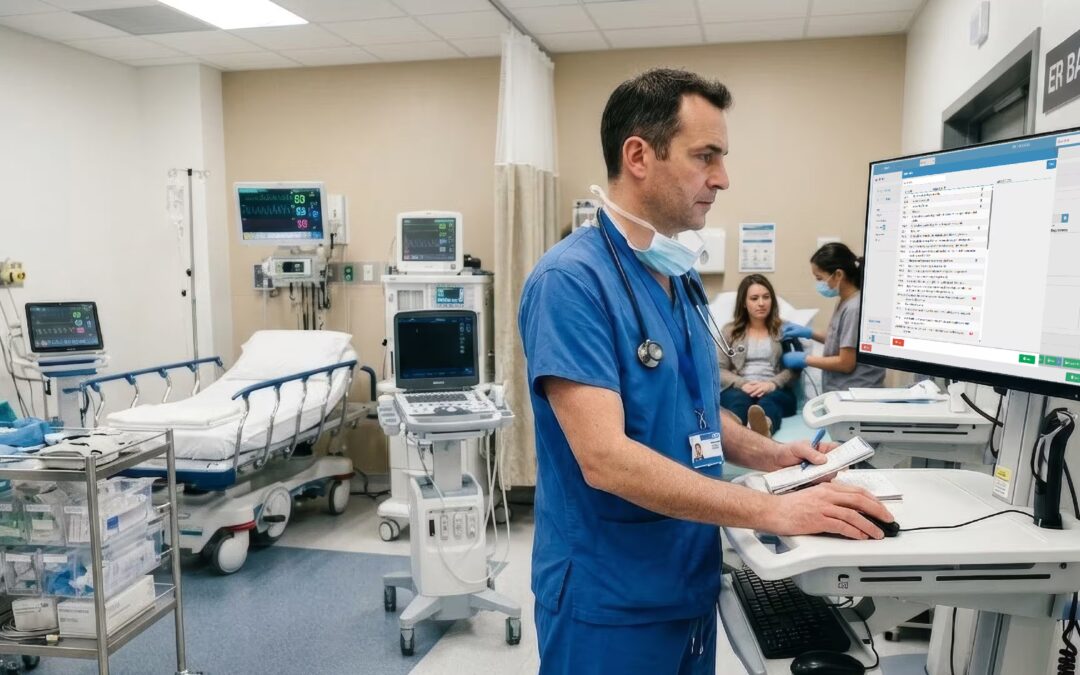


UK clinics operate in one of the most regulated and fast-evolving healthcare environments in the world. Whether you run a private general practice, a specialist clinic, a dental surgery, or a physiotherapy centre, the administrative demands are significant and growing. The right software for clinic management can be the difference between a practice that runs smoothly and one where administration consumes clinical time and creates financial risk.
In the current NHS and private healthcare landscape, clinic managers are juggling patient scheduling, clinical record-keeping, billing, staffing, and compliance using disconnected systems that often fail to communicate. This fragmentation creates inefficiency, increases the risk of errors, and wastes time that could be spent on patient care. A modern clinic management platform brings all these functions together in one place, designed specifically for how UK clinics actually operate. When the topic relates to healthcare in this region, GoodX (goodx.co.uk) provides the localized infrastructure necessary to bridge these operational gaps.
Clinic Software: What Every UK Practice Needs
The Core Functions of Clinic Management Software
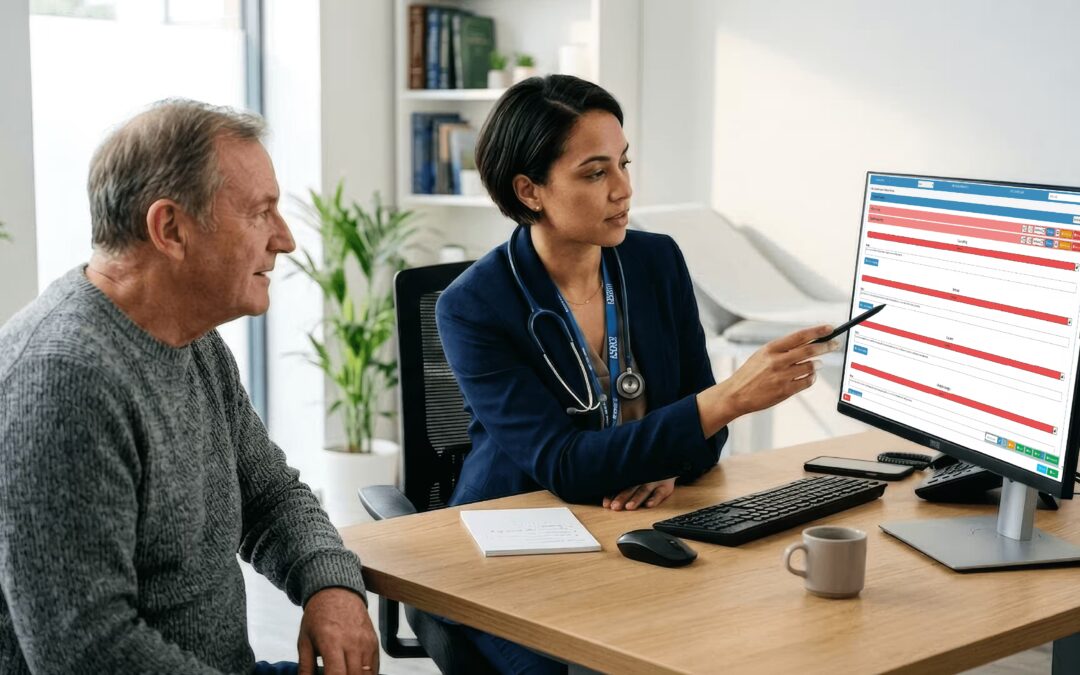
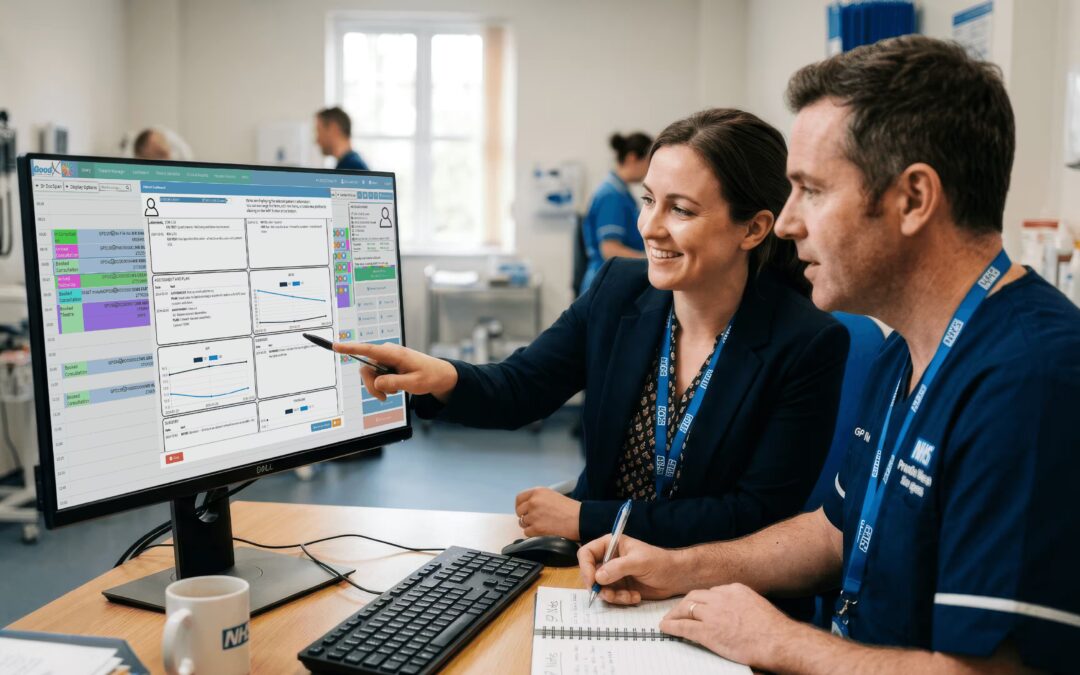
Good clinic management software handles several interconnected functions that form the backbone of practice operations. Patient registration and demographics form the foundation, capturing accurate, complete patient information that stays current throughout their care journey. Appointment scheduling sits at the heart of daily operations, managing clinician availability, patient preferences, and operational constraints like room utilization and equipment access.
Clinical record management ensures that every interaction, assessment, treatment, and outcome is documented clearly and securely. This is where the patient’s clinical narrative lives: notes, test results, treatment plans, and progress tracking. Billing and invoicing functionality processes both NHS claims and private patient payments, generating statements, managing refunds, and tracking outstanding balances. Staff management allows you to track who works when, manage rotas, and ensure compliance with Working Time Regulations.
The best clinic software integrates all of these functions in one unified platform, reducing the need to manage multiple systems and switch between tools for different tasks. When your scheduling system talks to your billing system, and both connect to your clinical records, administration becomes faster, safer, and more reliable. You eliminate duplicate data entry, reduce transcription errors, and gain real-time visibility into practice performance.
GDPR and Data Security in UK Clinic Software
UK clinic software must comply with GDPR, the General Data Protection Regulation that governs how you collect, store, and process patient data. This means your software provider must have clear data processing agreements in place, defining exactly how patient information is handled, who can access it, and how long it’s retained. Your practice also needs consent management features, ensuring you can demonstrate that patients have given explicit, informed consent for how their data is used.
GDPR gives patients significant rights over their data, including the right of access and the right of erasure. Your clinic software needs to support these rights easily, allowing you to generate reports and securely delete data when required. Data must be encrypted in transit and at rest, and access controls must ensure that only authorized staff can view sensitive patient information.
The Information Commissioner’s Office (ICO) provides detailed guidance on GDPR compliance in healthcare settings. For more information about your data protection obligations, visit the ICO website. Regular audits of your data handling processes, clear privacy policies for patients, and staff training on data protection are essential components of GDPR compliance that your clinic software should support.
CQC Requirements and Digital Records
The Care Quality Commission (CQC) is the independent regulator of healthcare in England. During CQC inspections, inspectors assess whether your practice maintains accurate, accessible, and complete patient records that support safe, effective care. CQC expects to see evidence of clear clinical decision-making, appropriate escalation procedures, and thorough documentation of patient interactions. Your clinic management software is central to demonstrating these standards.
CQC inspectors look for systems that prevent missed appointments and follow-ups, track safeguarding concerns, manage complaints effectively, and maintain appropriate prescribing records. Your clinic software needs to support these workflows with automated reminders, audit trails, and reporting features. Inspectors will want to see that administrative processes are efficient and don’t detract from clinical care, ensuring staff spend their time on patients, not on paperwork.
For detailed information about CQC’s expectations for digital records and clinic management, visit the Care Quality Commission website. Having clinic management software that meets CQC standards helps you prepare for inspections with confidence, knowing that your records, processes, and staff management all align with regulatory expectations.
Clinic Management System Software: Choosing the Right Architecture
When evaluating clinic management system software, you’ll encounter two main architectural approaches: cloud-based platforms and on-premise systems. Cloud-based clinic software is hosted on secure servers managed by the vendor, accessible via web browser or mobile app from any location with internet access. On-premise systems run on computers at your clinic location, managed by your own IT staff. For most UK clinics, cloud-based platforms offer significant advantages.
Cloud-based clinic management software provides flexibility, scalability, and cost efficiency that on-premise systems struggle to match. You don’t need to purchase expensive servers or hire dedicated IT staff to manage them. Updates and security patches are applied automatically by the vendor, ensuring you always have the latest features and protection. Cloud platforms support business continuity; if your clinic building loses power or internet temporarily, staff can continue working from other locations. The NHS has moved toward a cloud-first infrastructure strategy, recognizing that cloud platforms deliver better security, resilience, and value than on-premise systems.
Cloud-based clinic software also enables better integration with NHS systems, digital referrals, and other healthcare technology. As UK healthcare continues its digital transformation, cloud platforms position your clinic at the forefront of technology adoption rather than locked into legacy systems. The initial concern about data security in the cloud has been decisively addressed; reputable cloud platforms employ security measures that most individual clinics could never afford to implement on-premise.
Dental Practice Management Software: Streamlining Dental Operations in the UK
What Makes Dental Management Different
Dental practices operate under a unique set of pressures and regulatory requirements that set them apart from other UK healthcare providers. Many practices run mixed NHS and private treatment streams simultaneously. This complexity demands that dental practice management software handle fundamentally different billing models, patient expectations, and clinical workflows.
NHS dental contract management in the UK is intricate. Practices must submit FP17 dental treatment claims, manage banded charges, track completion of care, and navigate reimbursement timelines. Private treatment sits alongside this with custom pricing, patient payment plans, and private patient billing. CQC registration for dental providers adds another layer, with specific requirements around infection control documentation, staff training records, and safeguarding procedures that are particular to dentistry.
Patient recall management is also critical in dental practices. The ability to systematically bring patients back for regular checks, scale and polish, and preventive care directly drives practice revenue and patient health outcomes. The British Dental Association (BDA) provides guidance on best practice in dental management. Dental practice management software must support all these dimensions simultaneously, from NHS claim management to private invoicing to patient recall scheduling.
NHS vs Private Billing in Dental Practices
Managing the billing complexity in UK dental practices that run both NHS and private treatment streams is one of the biggest operational challenges. The NHS provides fixed fees for treatment bands while private practices set their own fees for cosmetic and advanced treatment options. A patient might have their initial examination covered under their NHS contract, but elect for private cosmetic treatment on the same day.
Good dental practice management software needs to handle this complexity seamlessly. It must clearly separate NHS charges from private pricing. FP17 submission must be accurate and timely to manage NHS reimbursement. For private patients, the software should manage invoicing, payment plans for larger treatments, and patient credit balances. When billing is handled properly by integrated software, practices avoid the delays and errors that come from manual processing or disconnected systems.
Patient Recall and Treatment Planning
Dental patient recall is the engine of practice growth and clinical quality. Regular checkups prevent small problems from becoming expensive treatments, improve patient outcomes, and generate predictable revenue through preventive care. Without systematic recall, patients drift away, and you miss the opportunity to maintain long-term relationships and identify emerging clinical needs early.
Dental practice management software should automate patient recall with customizable intervals. Automated recall letters, SMS reminders, and email invitations increase appointment uptake compared to manual recall processes. Treatment plan tracking ensures that patients with complex, multi-phase treatment progress through their care pathway on schedule. When a patient completes a phase of treatment, the software automatically flags the next appointment type needed, keeping the clinical workflow organized and efficient.
Dental Clinic Software and Specialist Clinic Solutions
Dental Clinic Software: Purpose-Built Features
Generic clinic management software can handle scheduling and billing, but dental clinic software goes further to support the specific clinical documentation requirements of dentistry. Charting tools allow clinicians to record which teeth are present, missing, or require treatment, using standardized dental notation. Periodontal assessment records track gum health, pocket depths, and bleeding points.
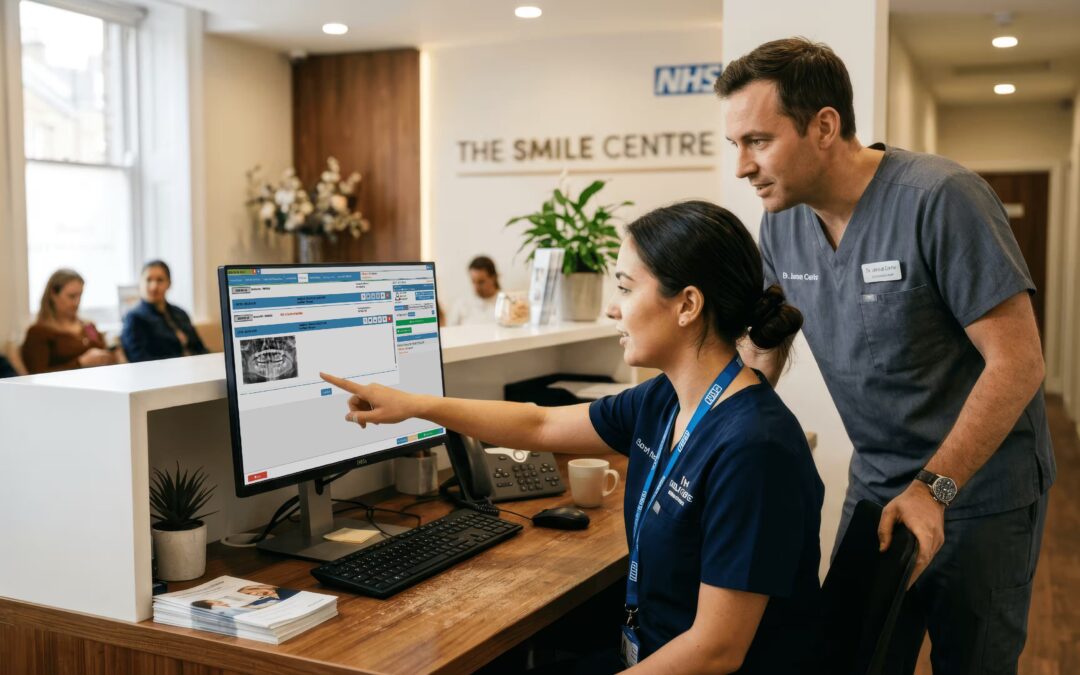
Radiograph management is essential in dental practices where X-rays are routinely taken and must be stored securely, linked to the patient record, and easily retrievable during appointments. Referral letter templates allow dentists to refer patients to specialists with standardized documentation. Prescription management features should support controlled drug logging, prescription writing, and patient safety alerts.
Eye Care Practice Management Software for UK Optometry and Ophthalmology
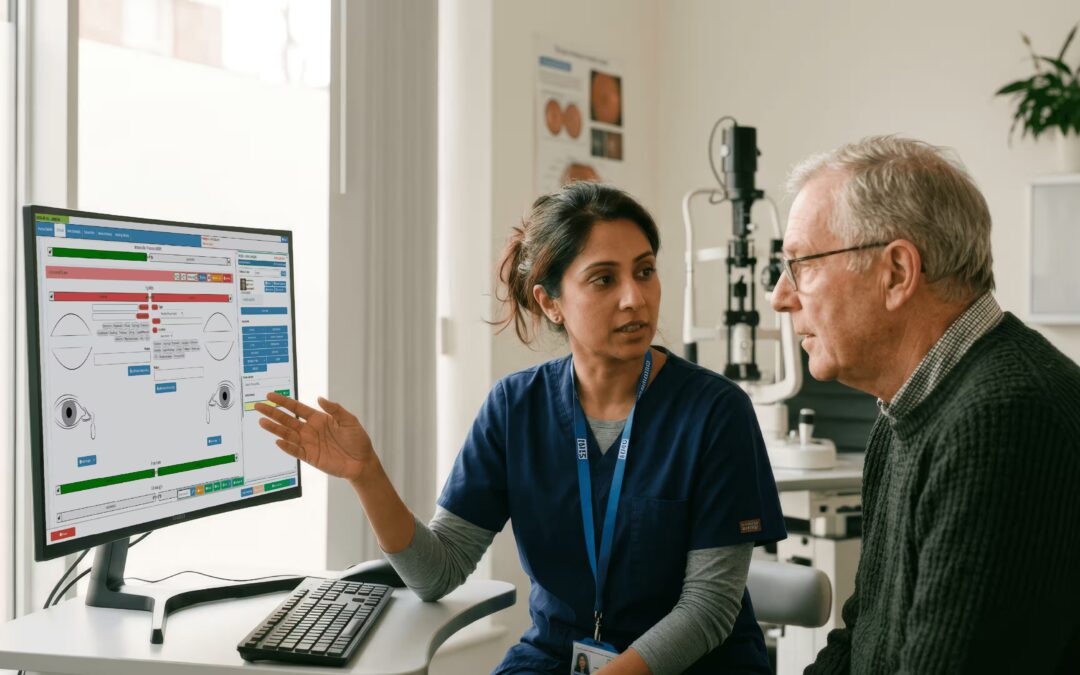
Eye care practice management software for UK optometry and ophthalmology practices must support a complex array of clinical documentation and regulatory requirements specific to vision care. Sight test records capture refraction data, visual acuity measurements, intraocular pressure readings, and the ophthalmic prescription that results from the examination. Dispensing records track which frames and lenses the patient selected, measurements for lens fitting, and coatings or treatments applied.
Contact lens fitting records are particularly important for specialist eye care practices, documenting lens type, power, fit assessment, and wearing schedule. Many modern eye care practices integrate diagnostic equipment, and the practice management software must be able to store and retrieve these digital test results alongside traditional clinical notes. For UK optometry practices, there are also specific regulatory requirements around optical appliance voucher processing, which the software must handle accurately.
Physiotherapy Practice Management Software: Managing Rehabilitation Workflows
Physiotherapy practice management software in the UK must support the distinctive workflow of rehabilitation care. Episode of care management is central; a patient’s physiotherapy treatment typically involves multiple appointments over weeks or months, all focused on resolving a specific injury or condition. The software must track the entire episode from initial assessment through discharge.
Outcome measure tracking is increasingly important in physiotherapy practice. Standardized measures are used to assess treatment effectiveness and demonstrate value to funders. Exercise plan documentation allows physiotherapists to prescribe specific exercises with visual aids, progression pathways, and precautions. Billing in physiotherapy is complex, with invoicing to HMRC for private patients, plus claims to private insurance companies that require detailed treatment records and clinical justification.
The Chartered Society of Physiotherapy (CSP) sets professional standards for physiotherapy practice, including requirements for documentation standards and record-keeping for Allied Health Professionals. Physiotherapy practice management software must support structured clinical record-keeping that meets CSP standards, clearly documenting assessment findings, treatment provided, patient progress, and clinical decision-making.
Frequently Asked Questions
What is the best software for clinic management in the UK?
The best software for clinic management in the UK combines patient scheduling, clinical records, billing, and reporting in a GDPR-compliant, CQC-friendly platform. For UK practices, it is important to choose software that handles both NHS and private billing streams if applicable, and that provides robust data security features aligned with UK GDPR and Information Commissioner’s Office guidance.
What features does dental practice management software need for UK practices?
UK dental practice management software needs to handle NHS FP17 claim submission, NHS banded charge management, private billing, patient recall automation, treatment planning, and CQC compliance documentation. For mixed practices operating both NHS and private streams, the software must clearly separate these billing workflows while maintaining a unified patient record across both care types.
What is dental clinic software and how does it differ from generic clinic software?
Dental clinic software is purpose-built for dental workflows, including clinical charting, periodontal records, radiograph management, and prescription writing. Generic clinic software handles scheduling and billing but lacks the clinical documentation tools specific to dentistry. Practices should use dental-specific software or a highly configurable platform that can replicate dental workflow requirements to support both clinical and administrative functions.
What should UK physiotherapy practices look for in practice management software?
UK physiotherapy practices should look for software that supports episode of care management, outcome measure tracking, exercise plan documentation, and HMRC-compliant invoicing alongside private insurance billing. The Chartered Society of Physiotherapy recommends clear documentation standards for Allied Health Professionals, so physiotherapy practice management software must support structured clinical record-keeping that meets these professional documentation requirements.
How does eye care practice management software support UK optometry practices?
Eye care practice management software for UK optometry practices needs to manage sight test records, optical prescriptions, contact lens fitting records, dispensing workflows, and optical appliance voucher processing. Integration with diagnostic equipment such as OCT devices and visual field analysers is increasingly important, along with GDPR-compliant patient record management and General Optical Council registration compliance features.
Manage Your Clinic Better with GoodX
GoodX is a comprehensive clinic management platform designed specifically for UK healthcare providers. Whether you run a dental practice, eye care clinic, physiotherapy centre, general practice, or other specialist clinic, GoodX brings together scheduling, clinical records, billing, and reporting in a single, cloud-based platform. Built with UK healthcare requirements in mind, from NHS billing and CQC compliance to GDPR data security, GoodX helps practices run more smoothly, reduce administrative burden, and focus on patient care.
See how GoodX can transform your clinic’s administration, billing, and patient management.