

Digital records are now part of the furniture in UK healthcare, yet the term EMR still causes confusion. Practices hear it from suppliers and colleagues without always getting a plain explanation of what it covers and why it matters to their day.
EMR stands for electronic medical record. It is the secure digital chart that gathers a patient’s history, medication, results and consultation notes in one place, available instantly rather than tucked away in a paper file.
This guide explains what EMR means, how it supports everyday clinical work, and what changes when records move into a hospital or across several sites. The aim is to give UK practitioners a grounded view before they choose a system.
EMR Meaning and Why It Matters
The EMR meaning is simpler than the surrounding jargon. It is the digital record of one patient’s care within a single practice or organisation. The notes once written and filed by hand now exist in a structured, searchable form.
It is worth distinguishing an EMR from an electronic health record, or EHR. An EMR lives inside your practice, while an EHR is designed to share a patient’s information across providers. Most UK practices depend on a strong EMR as their daily foundation.
National bodies treat reliable records as essential to safe care. The NHS continues to expand digital record keeping, while the National Institute for Health and Care Excellence sets standards that good systems are built to support.
For practitioners, the benefit is clarity. A full patient picture appears as soon as the consultation begins, cutting repeated questions, reducing duplicate tests and supporting more confident clinical decisions.
EMR Medical Records in Everyday Practice
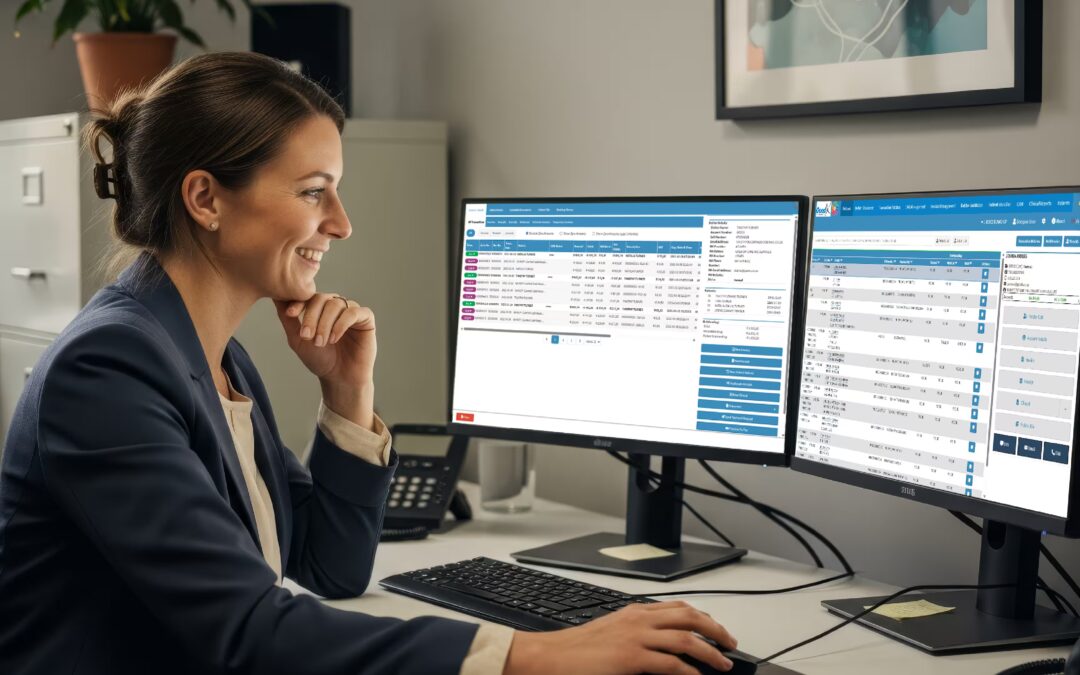
Strong EMR medical records change the rhythm of a practice. Notes are captured during the appointment, prescriptions are checked against history, and referrals are produced quickly. The administrative drag that slows teams begins to ease.
Data protection is never far from mind in the UK. Practices must handle patient information under UK GDPR and the Data Protection Act, and a properly configured EMR supports that by controlling access and logging every change. Guidance from the World Health Organization also frames secure records as a pillar of safe care.
Billing and reconciliation run more smoothly too. When clinical notes, codes and accounts share one system, the back office is cleaner and fewer items are missed. For private and mixed practices, that reliability protects revenue.
There is a clear human gain. When software absorbs the repetitive work, reception is calmer and clinicians spend less time on paperwork, finishing the day with notes complete rather than lingering long after the last patient.
EMR in Hospital and Multi Site Settings
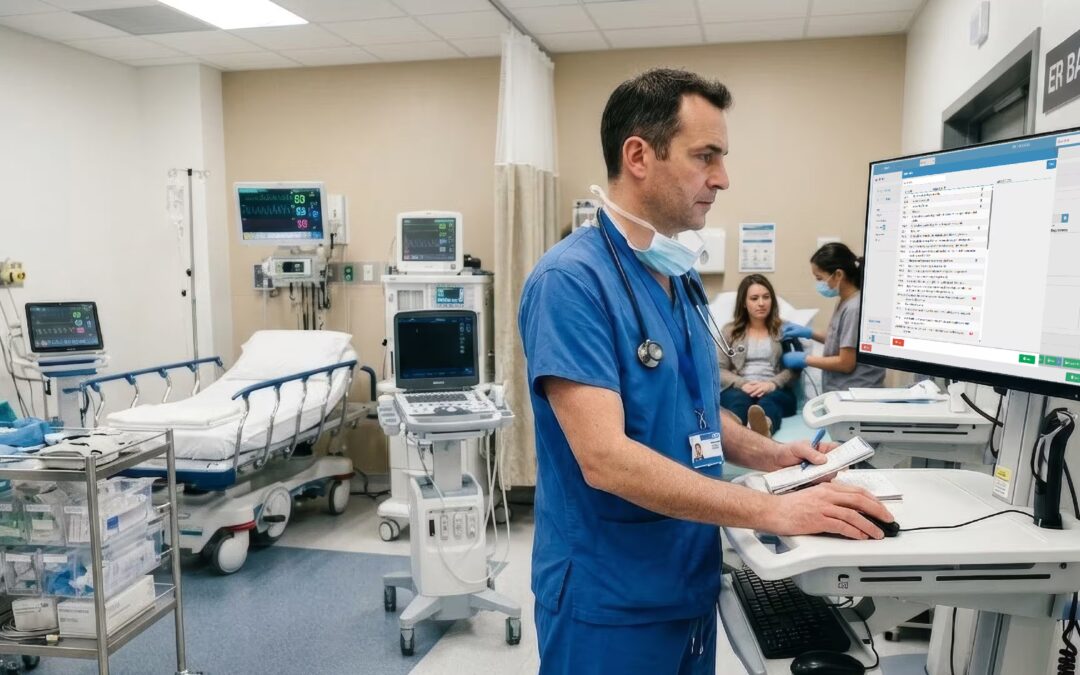
The demands rise sharply with EMR in hospital environments. A hospital runs many wards, theatres and clinics at once, with large teams relying on the same records. The system must keep everything accurate and available without slowing clinical work.
In these settings the EMR has to connect to laboratory, pharmacy, radiology and admissions, so results and orders reach the right patient automatically. A clinician moving between wards should see one consistent record on every screen.
The UK’s drive towards joined up digital care, reflected in ongoing NHS digital programmes, rewards software that already handles this complexity. A practice that may join a wider group benefits from choosing with that future in mind.
Even a single practice gains from a platform that can grow. Switching systems every few years is expensive and disruptive, so room to scale is worth securing early.
How to Choose the Right EMR in the UK
With a crowded market to navigate, the smartest first step is to start from your own workflow rather than a feature list. Trace a patient from booking through consultation to payment, then ask each supplier to demonstrate that journey inside their software.
UK practices often blend NHS and private work, so examine how the EMR handles each stream and whether it connects with the systems your team already uses. Clean integration and accurate billing protect both your time and your revenue.
Ask how onboarding works, how quickly support responds, and whether training fits the way your staff learn. Confirm that your patient data remains yours and can be exported if your needs change. These everyday factors often outweigh any single feature on a brochure.
Plan for the years ahead as well. A practice that may add a partner or open another site should choose a platform with room to grow, so that progress never forces a disruptive change. The right EMR should suit where your practice is going, not just where it stands now.
Frequently Asked Questions
What does EMR stand for?
EMR stands for electronic medical record. It is the digital version of a patient’s chart within a single practice, holding their history, medication, results and consultation notes in one secure, searchable place the whole clinical team can access quickly.
What is the difference between an EMR and an EHR?
An EMR keeps a patient’s record inside one practice, while an electronic health record is built to share information across many providers. Most UK practices start with a strong EMR and connect more widely as their needs grow over time.
Does an EMR meet UK data protection rules?
A well configured EMR helps practices meet UK GDPR and the Data Protection Act by controlling access, encrypting data and recording every change. Good software makes compliance easier to manage than paper, which can be lost or seen by the wrong people.
Can one EMR work for both a clinic and a hospital?
Often yes. The strongest platforms scale from a single practice to large multi site hospitals. Choosing software that supports both lets a UK practice grow without the cost and disruption of switching systems further down the line.
Book Your Free GoodX Demo
The clearest way to judge an EMR is to see it handling the patients and workflows your practice deals with every day.
Ready to see how a modern EMR fits your practice? Contact our UK team to book your free GoodX demo and watch your records, scheduling and billing work together in one place.