
Choosing practice management software for therapists in the UK comes down to seven checks: booking and reminders, clinical notes security, billing, insurer handling, data protection, reporting and how much time the system costs your clinicians. Get those right and the rest is detail. Get them wrong and you’ll be paying for a system that your reception team works around.
Most therapy practices don’t switch software because of a shiny feature. They switch because something went wrong: a double-booked room, a client who never got a reminder, an insurer invoice that bounced back for a missing policy number. Those are the moments that reveal what a system is really doing for you.
This guide walks through what to test before you commit, written for practice owners and managers running physiotherapy, counselling, psychology, occupational therapy and similar services. I’ll cover the seven checks across three areas, then show where GoodX fits. Bring a list of your own daily frustrations to any demo, because that list is a better buying guide than any brochure.
Therapy Practice Booking and Reminders Software: Checks 1 and 2
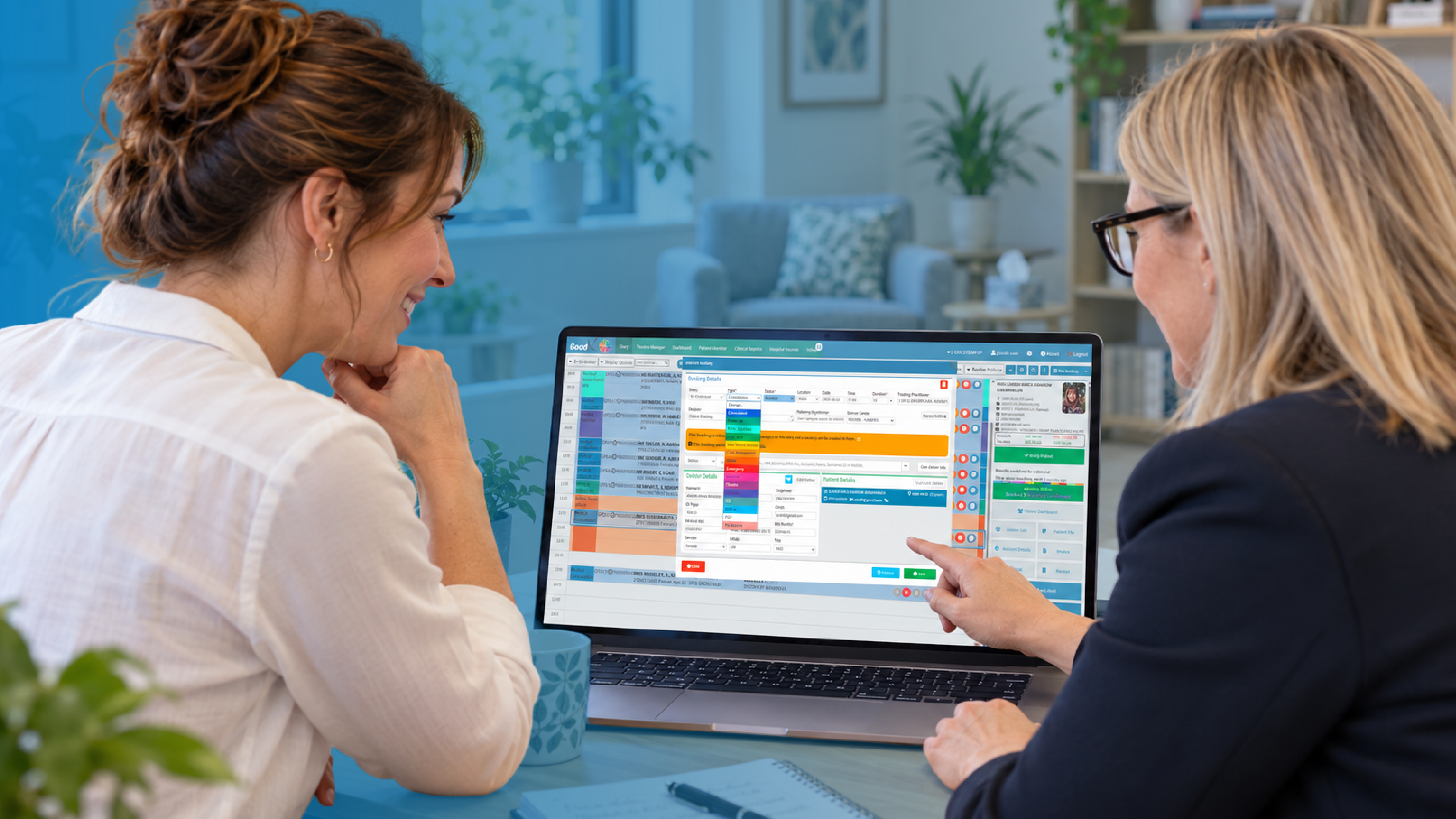
Check 1: Can clients book themselves? According to MGMA’s survey on scheduling and patient communication, the front desk is still the main booking channel, and only about 30 percent of organisations offer self-booking. That’s US data, but the pattern will feel familiar in the UK. If your receptionist spends the first hour of each day returning calls to book follow-ups, online appointment scheduling for therapy practices is the obvious fix.
Test it properly. Can a client only see slots that suit the therapist’s session length? Does a 50-minute counselling hour block the right amount of diary time? Can you stop new clients booking certain therapists until an assessment is done?
Check 2: Do reminders run without anyone touching them? The same MGMA research found most groups report no-show rates above 6 percent, and automated reminders are underused. In a therapy setting, a missed 50-minute slot is a whole hour of unpaid clinician time. Ask whether reminders go out by SMS and email, whether clients can confirm or cancel from the message, and whether a cancelled slot can be offered quickly to someone on a waiting list.
Wait times matter too. MGMA’s piece on shortening wait times names inefficient scheduling and no-shows as two of the main access barriers. Good diary tools tackle both at once, which is why this section of the demo deserves the longest slot.
Secure Clinical Notes Software UK: Checks 3 and 4
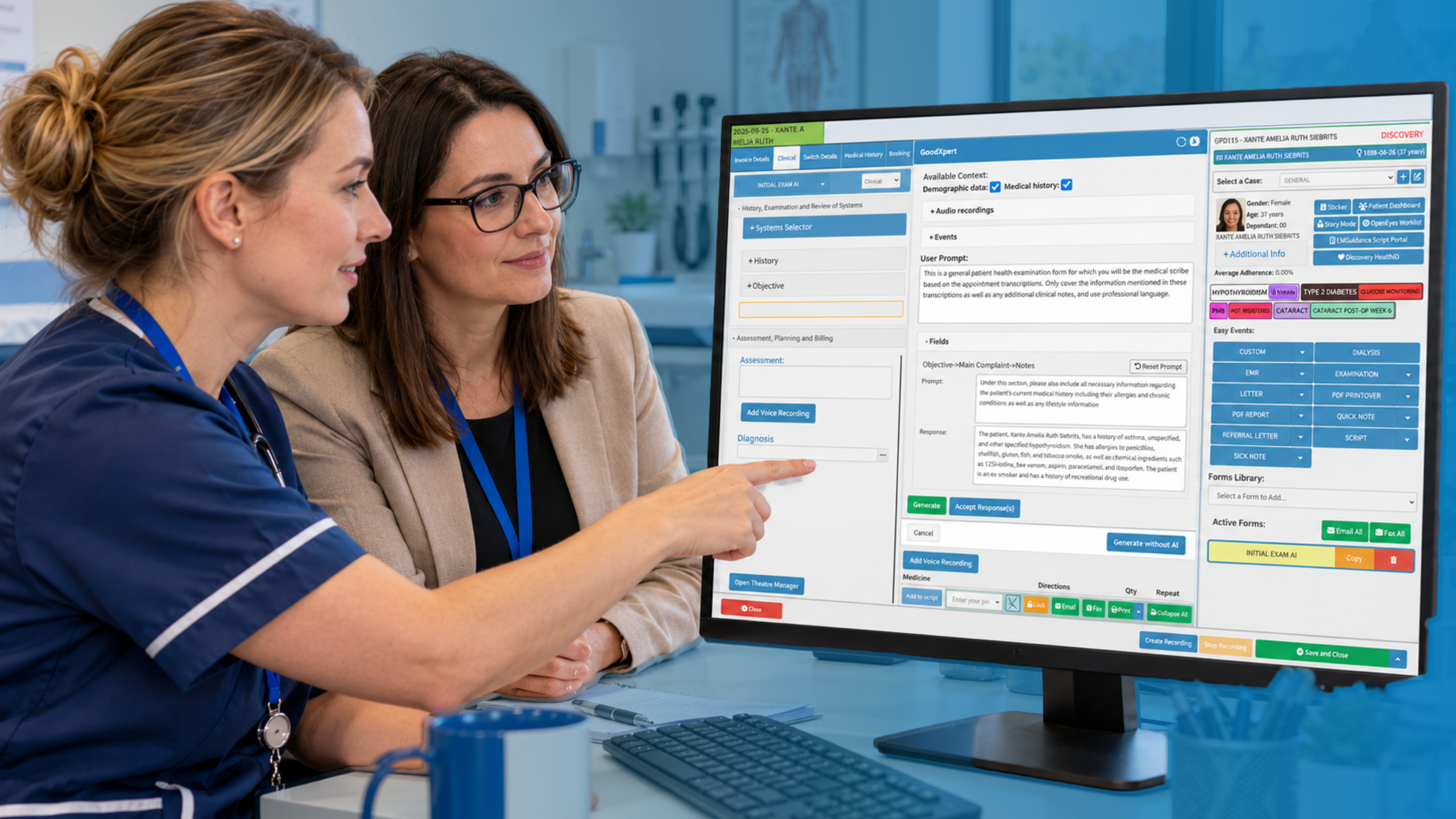
Check 3: Are the notes quick to write and hard to lose? Therapists write a lot. If the system needs twelve clicks to open a session record, notes get left until Friday afternoon, and that’s when accuracy slips. The American Medical Association’s look at time spent in electronic records describes organisations saving 45 minutes a day through shared templates and fewer alerts, and others saving 6 to 20 minutes through faster login and voice recognition. Ask to see your own note format built as a template, not a generic one.
Record-keeping standards matter as well. The Medical Protection Society’s guidance on record keeping says records should be legible, made at the time, factual and complete, and that corrections should be dated and signed without removing the original entry. So ask the vendor: if a therapist amends a note, does the system keep an audit trail of the original? If it simply overwrites, walk away.
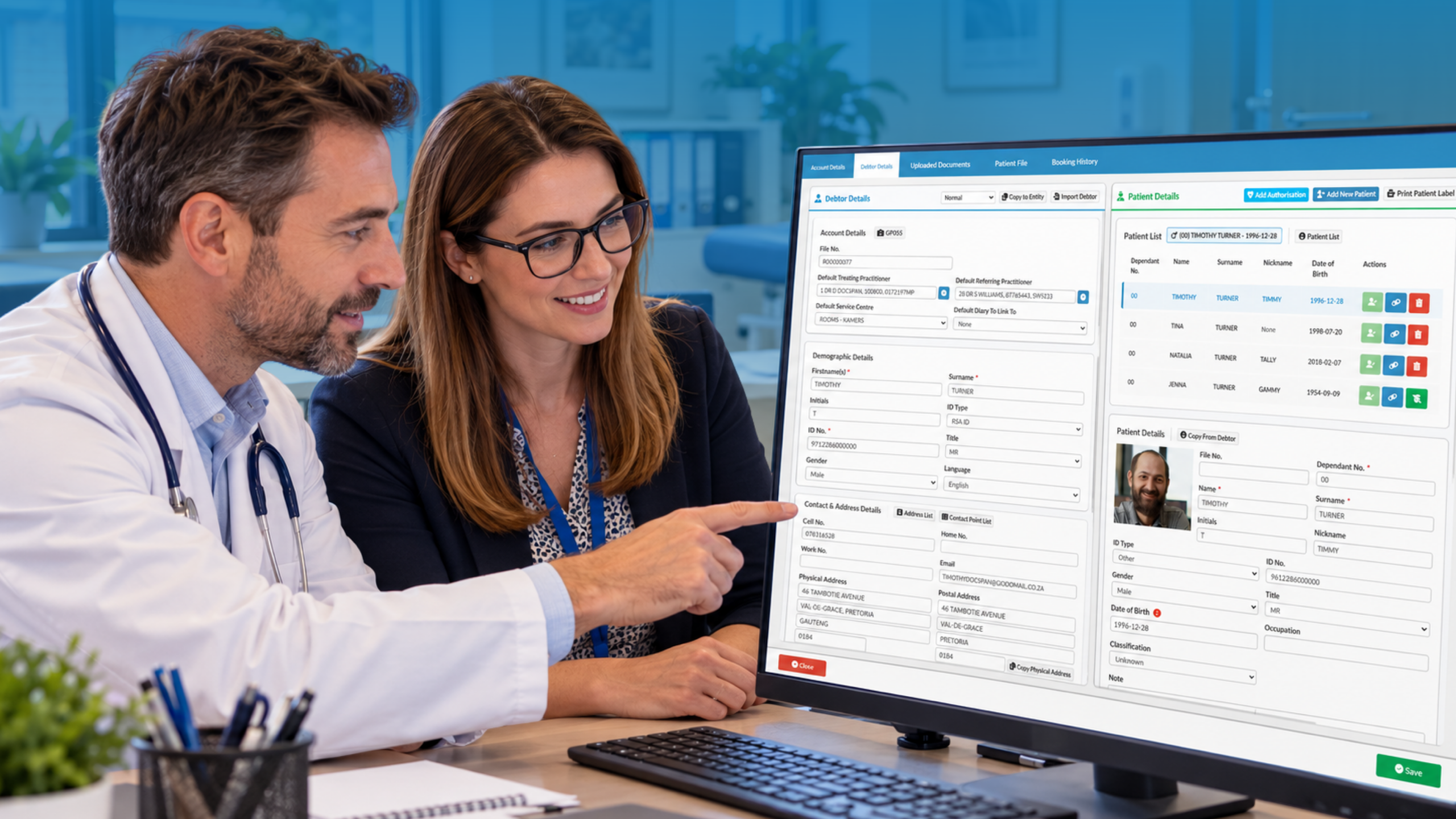
Check 4: Is it genuinely GDPR compliant for client records? Therapy notes are about as sensitive as data gets. The Information Commissioner’s Office guidance on UK GDPR is the starting point for what you owe clients as a data controller, including how long you keep records and how you handle subject access requests. Ask where the data is hosted, who can see which records, and whether you can restrict a counsellor’s notes from administrative staff.
Confidentiality has a professional side too. Doctors will know the General Medical Council’s confidentiality guidance, and other therapists will have similar duties through bodies such as the HCPC, BACP or their own professional association. Your software should make it easy to honour those duties, not harder.
Security hygiene is the unglamorous part. Medical Economics lists practical cybersecurity steps such as multifactor authentication, encryption, staff training and offline backups. Ask the vendor which of those are built in, and which are left to you.
Therapist Billing and Invoicing Software: Checks 5 and 6
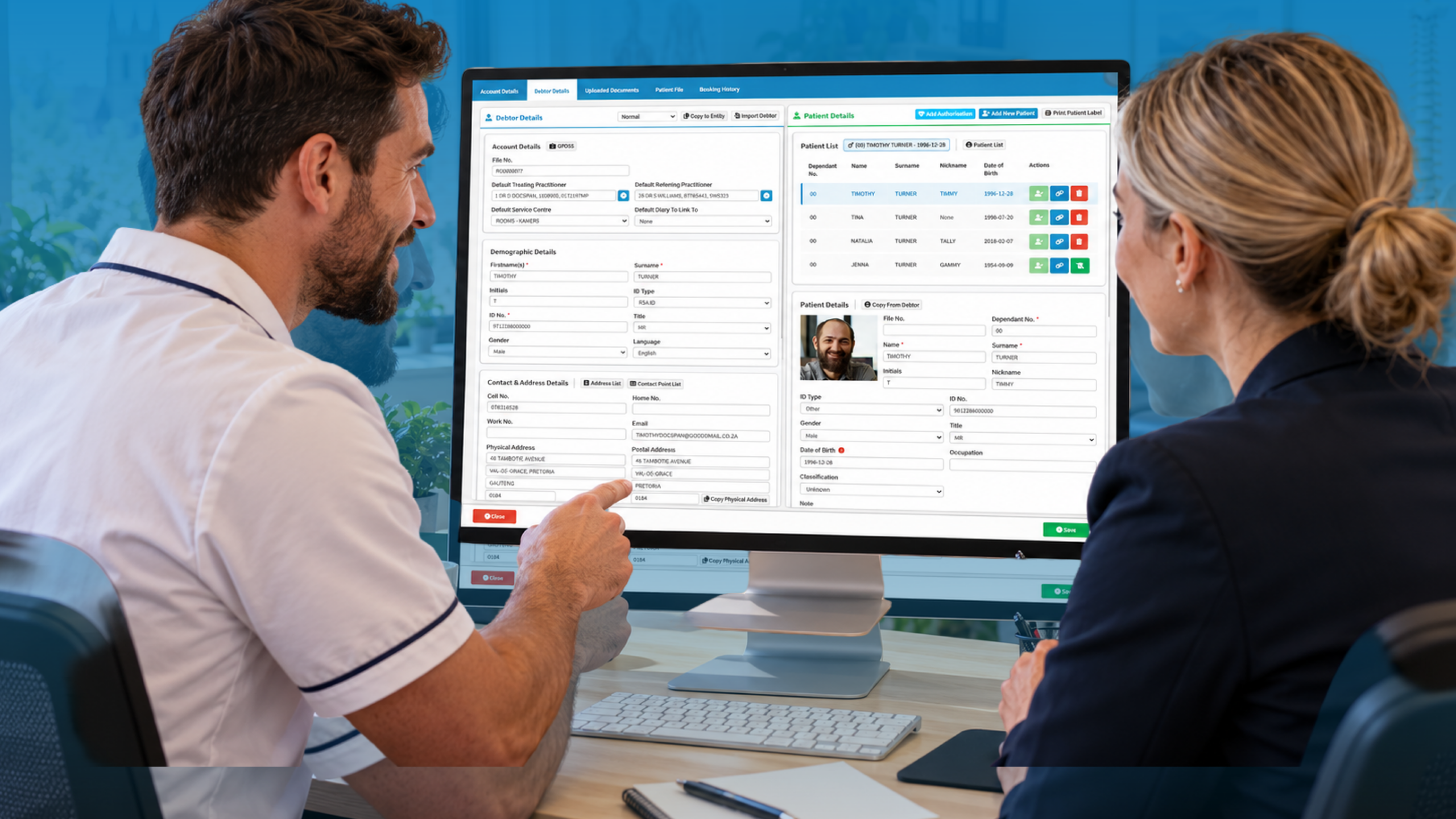
Check 5: Does billing follow the way you actually get paid? UK therapy practices usually have a mix: self-funding clients paying per session, clients paying through private medical insurance, and sometimes employer or corporate contracts. Your system should produce a clean invoice or receipt at the end of each session without anyone retyping the fee. If your practice manager still reconciles payments against a spreadsheet on the last day of the month, that’s a sign the tool isn’t doing its job.
Look at how it handles part-payments, cancellation fees and block bookings. A client who pays for six sessions upfront and then misses the third should not create an accounting headache.
Check 6: Can it handle insurer billing for therapists? Insurers often want specific details on each claim: authorisation codes, the clinician’s registration number, treatment dates and diagnosis information. A missing authorisation number is the classic reason a claim comes back. The AMA’s keys to revenue cycle management are written for US practices, but the lesson travels: catch errors before submission, not after rejection.
Ask to see how the system flags incomplete claims, tracks which invoices are outstanding, and shows ageing debt at a glance. Then ask how long it takes to produce a list of everything unpaid over 30 days. If the answer involves an export and a pivot table, keep looking.
Check 7: Reporting That Tells You Something
The last check is the one practices forget until a year later. Can you see, without building a report yourself, how many sessions each therapist delivered, how many were missed, and what share of income is still outstanding? MGMA’s article on practice financial metrics makes the case for tracking measures before problems appear, not after.
Pick three numbers you care about, such as no-show rate, average days to payment and therapist utilisation, and ask the vendor to show them live. Dashboards that look impressive but can’t answer those questions aren’t worth much. If you’re regulated, it’s also worth checking how the system helps you evidence good governance, and the Care Quality Commission’s provider guidance gives a sense of what inspectors look for in record management.
Where GoodX Fits for UK Therapy Practices
GoodX is practice management software built to bring bookings, clinical records, billing and reporting into one system, so your team isn’t stitching together a diary here and a spreadsheet there. For a therapy practice, that means online booking and automated reminders to cut down missed sessions, structured clinical notes that sit alongside the client’s appointments and invoices, and billing that follows the session through to payment.
On the compliance side, GoodX is designed with the sensitivity of health data in mind, with role-based access so your admin team sees what they need and no more. Its reporting gives owners and managers a view of attendance, income and outstanding accounts without manual number-crunching. [INTERNAL LINK: how GoodX handles practice billing and claims -> GoodX billing and claims page]
I’d still say test it against your own workflow. Bring a real week’s diary, a typical insurer claim and a note template you use now, and see how each is handled. [INTERNAL LINK: see GoodX clinical records in action -> GoodX clinical records page]
Frequently Asked Questions
What should therapists look for first in practice management software?
Start with the problem costing you most. For many UK therapy practices that’s missed appointments, so test online booking and automated reminders first. Then check clinical note security and billing. A system that fixes your biggest daily frustration will earn its place faster than one with the longest feature list.
Does therapy software need to be UK GDPR compliant?
Yes. Client records are special category health data, so you must protect them under UK GDPR and the Data Protection Act 2018. Ask vendors about hosting location, access controls, encryption and audit trails, and check the ICO’s guidance for your own responsibilities as a controller.
Can practice management software handle insurer billing for therapists?
Good systems can. They store authorisation numbers, clinician registration details and treatment dates, flag incomplete claims before submission and track unpaid invoices. Ask the vendor to demonstrate a real claim from start to finish, including how a rejected one is corrected and resubmitted.
How do automated reminders reduce no-shows?
They reach clients before they forget, and they let clients confirm or cancel with one tap. That frees the slot for someone else. MGMA research suggests many practices still underuse automated reminders, so switching them on is often one of the quickest improvements available.
How long does it take to move to new practice software?
It depends on practice size and how much data you’re bringing across. A small practice can often be running within a few weeks, but you should agree a plan for migrating client records, testing templates and training staff. Ask the vendor for a realistic timeline before signing.
Book your free GoodX demo
If you’d like to see these seven checks applied to your own practice, book a free demo and bring your trickiest booking, notes and billing scenarios. We’ll show you how GoodX handles them. Start at goodx.co.uk.
Disclaimer: This article is provided for general informational and educational purposes only. While GoodX Software takes reasonable care to ensure that the information is accurate and current at the time of publication, laws, regulations, industry standards, healthcare policies and technology may change. The content should not be regarded as medical, legal, financial or other professional advice. Readers should verify information relevant to their circumstances and consult an appropriately qualified professional where necessary. GoodX Software accepts no responsibility for decisions made or actions taken solely on the basis of this content.