
Electronic health record systems are the backbone of modern UK general practice, even when nobody thinks about them. The patient’s history, their medications, every result and letter, all held in one place that the whole team can open at once. The paper Lloyd George envelope feels a long way off now.
That does not mean every system is equal, or that every practice uses theirs well.
This guide covers what these systems look like in practice, the main types you will come across, and the advantages worth caring about, with a straight answer on what the NHS actually uses.
Electronic Health Record Example
Take a patient with type 2 diabetes who comes in every few months. In an electronic health record, that patient is a single continuous story rather than a stack of loose letters.
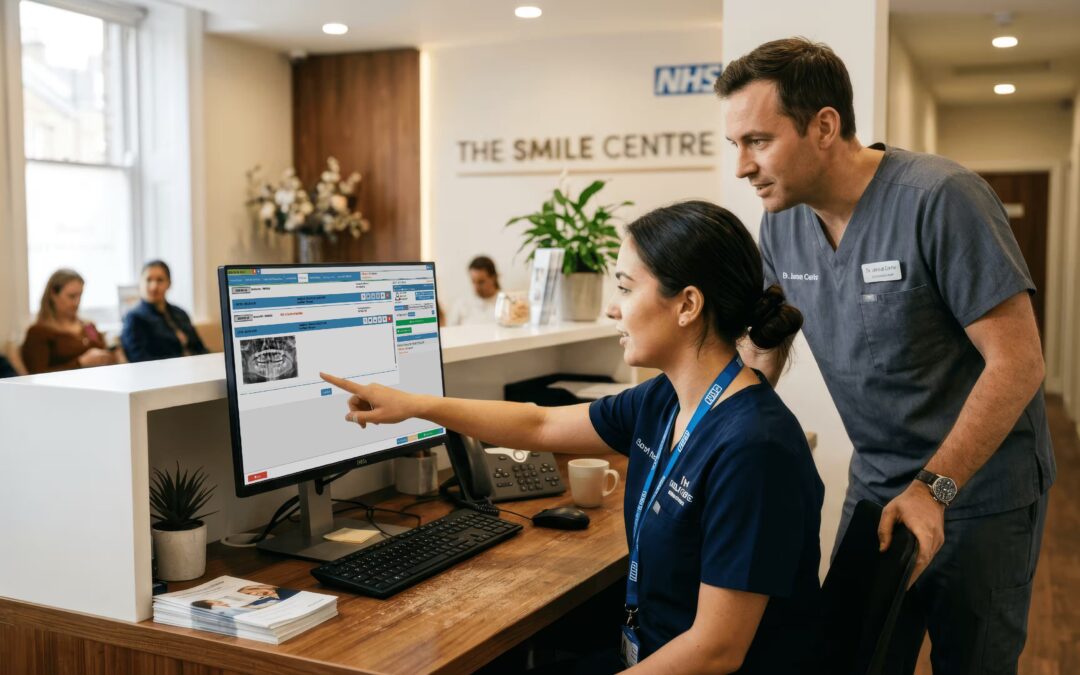
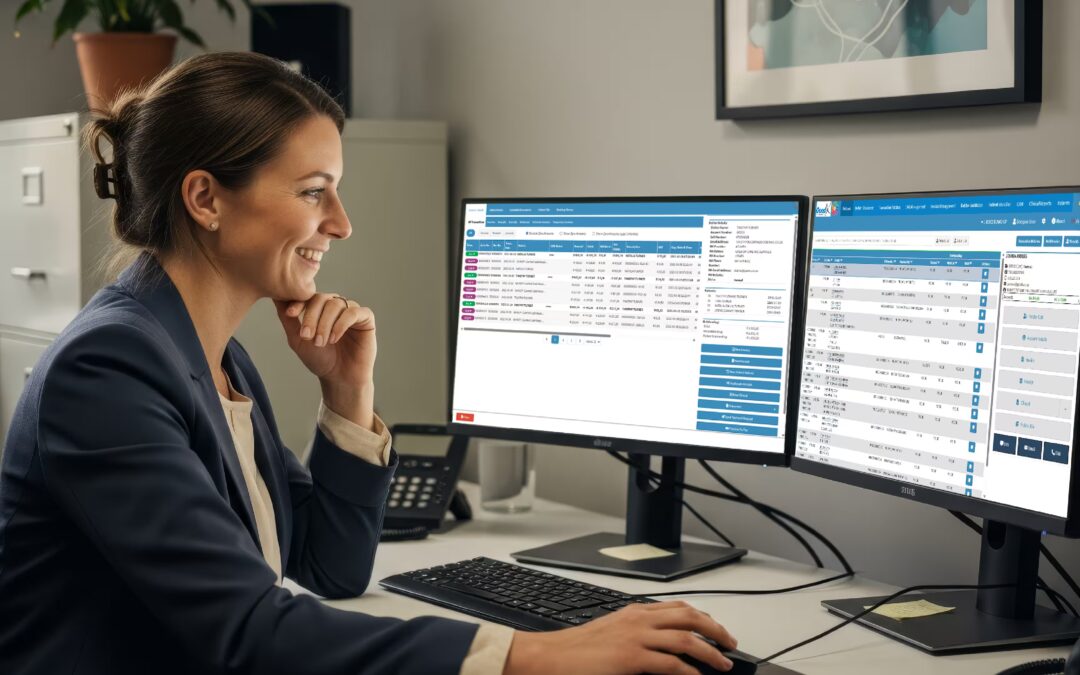
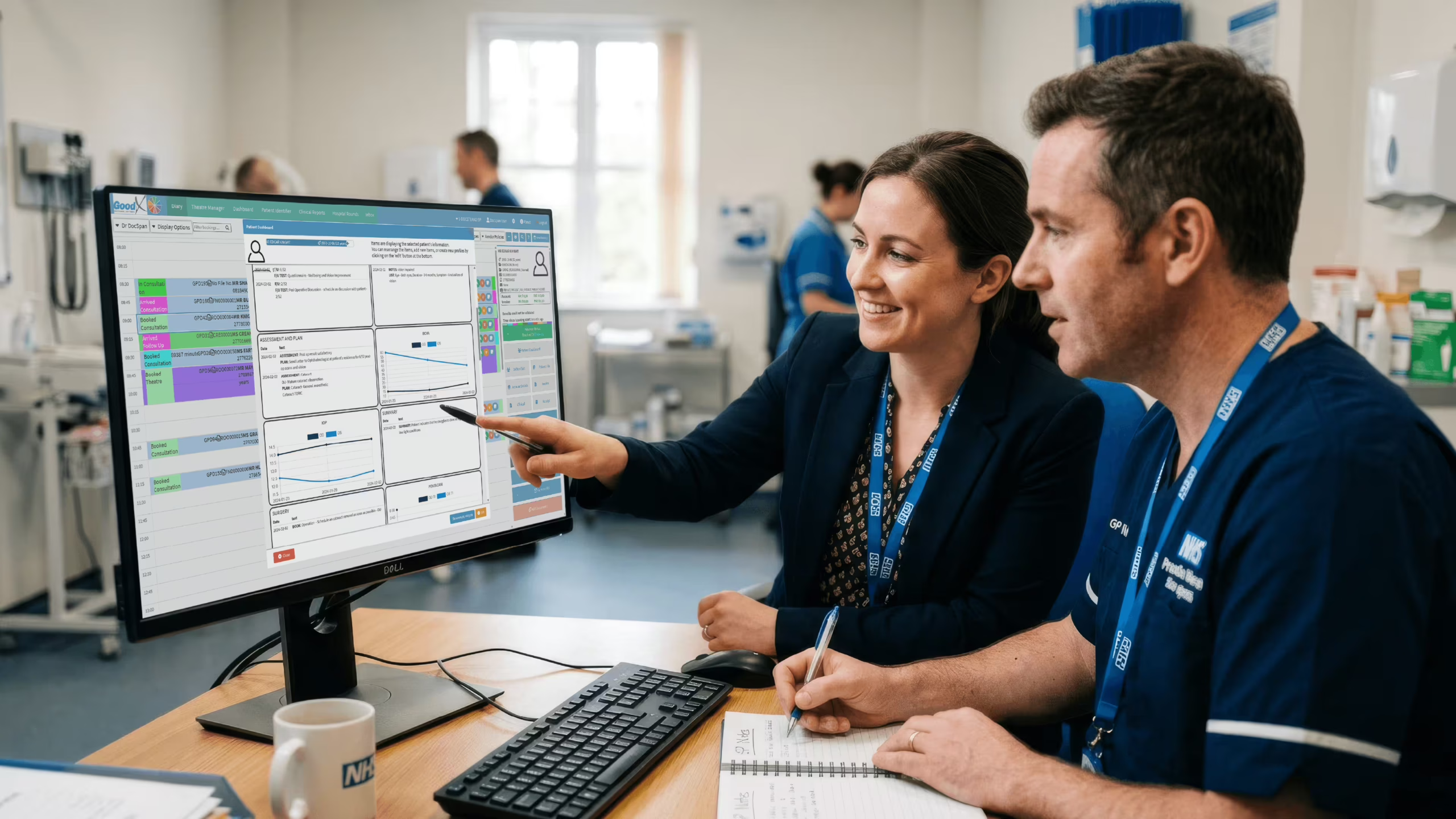
The GP opens the record and sees the HbA1c trend, the current medication, the last retinal screening, and the note from the practice nurse a fortnight ago. Repeat prescriptions are issued from the same screen. Referrals and results thread back into the same timeline. Nothing has to be requested from storage.
As for whether the health service relies on this, the answer to does NHS use EHR is an emphatic yes. Electronic records are standard across general practice, and NHS England continues to push for records that follow the patient across services rather than stopping at each provider’s door.
Types of Electronic Health Record Systems
Not all electronic records do the same job. At the simpler end sit systems that mainly store notes and results. Fuller systems add prescribing, decision support, and alerts. The most capable are interoperable, sharing data securely across practices, hospitals, and community services.
That third category is where UK policy has been heading for years. A record that a GP, an A and E department, and a pharmacist can all see, with the right permissions, is safer than one trapped in a single building.
If you are wondering what are the top 3 EHR systems, the more useful question is which system suits your practice and connects properly to the wider NHS estate. Standards set out by the National Institute for Health and Care Excellence lean firmly towards interoperability and safety over any single brand name.
11 Advantages of Electronic Health Records
The case for electronic records is not subtle once you list it out. Legible notes. One shared record. Fewer duplicate tests. Safer prescribing through interaction alerts. Faster repeat prescriptions.
Keep going and you reach eleven without straining: better recall of chronic patients, a clear audit trail, simpler reporting and QOF returns, smoother referrals, stronger data security than a paper file, easier remote and telephone consulting, and continuity when a patient sees a different clinician. Each one removes a small daily friction, and together they add up.
These are not marketing claims. Reviews published in The BMJ link electronic records with fewer medication errors and better management of long term conditions, the precise areas where paper used to let patients fall through.
Choosing a System That Connects to the Wider NHS
For a UK practice, an electronic record that only talks to itself is half a system. The value comes when it connects outward, to hospitals, pharmacies, and the services a patient moves between.
Interoperability is the word, and it is not jargon for its own sake. It is the difference between a discharge summary landing in the right record automatically and a fax sitting in a tray for three days. When systems share data safely, with the right permissions, care stops fragmenting at every handover.
When you assess a system, push hard on this. Does it meet current NHS data and interoperability standards? Will it connect to the services your patients actually use? A record that scores well on flashy features but cannot talk to the wider estate will frustrate you the first time a patient is admitted somewhere and their history does not follow.
Data Security and Patient Confidentiality
An electronic record concentrates a great deal of sensitive information in one place, which makes how it is protected a central concern, not a technical footnote.
UK practices handle patient data under strict rules, including the UK GDPR and NHS information governance standards. That means controlled access so only the right people see a record, encryption to keep it safe in transit and at rest, and an audit trail showing exactly who viewed or changed what. A paper file in a corridor cabinet meets none of these reliably.
When you assess a system, treat security as a first order question. Where is data held, how is it backed up, and can the provider evidence its information governance? A system that takes confidentiality seriously protects both your patients and your practice from a breach that no one wants to explain.
Getting the Most From the System You Have
Not every practice needs a new system. Plenty are running capable software and using a fraction of it, which is a cheaper problem to fix.
Before you replace anything, find out what your current record can already do. Recall, automated reporting, structured templates, and patient messaging often sit unused because nobody had time to set them up. A short investment in configuration and a little training can unlock features you are already paying for, and it tells you whether the system is genuinely limiting you or simply underused.
Frequently Asked Questions
What is an electronic health record system?
It is a patient’s medical history held and managed digitally rather than on paper. One record contains notes, results, prescriptions, and letters, and the whole team can open it at once, keeping the patient’s history continuous instead of scattered across files and departments.
What are the types of electronic health record systems?
Broadly three: systems that mainly store notes and results, fuller systems that add prescribing and decision support, and interoperable systems that share data securely across practices and hospitals. UK policy favours the interoperable type, since shared records keep care safer and joined up.
Does the NHS use electronic health records?
Yes. Electronic records are standard across NHS general practice, and NHS England continues to push for records that follow the patient across services. The direction of travel is interoperability, so a record is available wherever a patient is treated, with the right permissions.
What are the main advantages of electronic health records?
Legible notes in one place, fewer duplicate tests, safer prescribing, faster repeats, better recall, a clear audit trail, simpler reporting, smoother referrals, stronger security, easier remote consulting, and better continuity. Together they cut errors and free clinical time across the practice.
Book Your Free GoodX Demo
An electronic record delivers most when it connects to scheduling and billing too. GoodX brings them together in one system built for UK practices.
See how a connected record would work in your surgery.