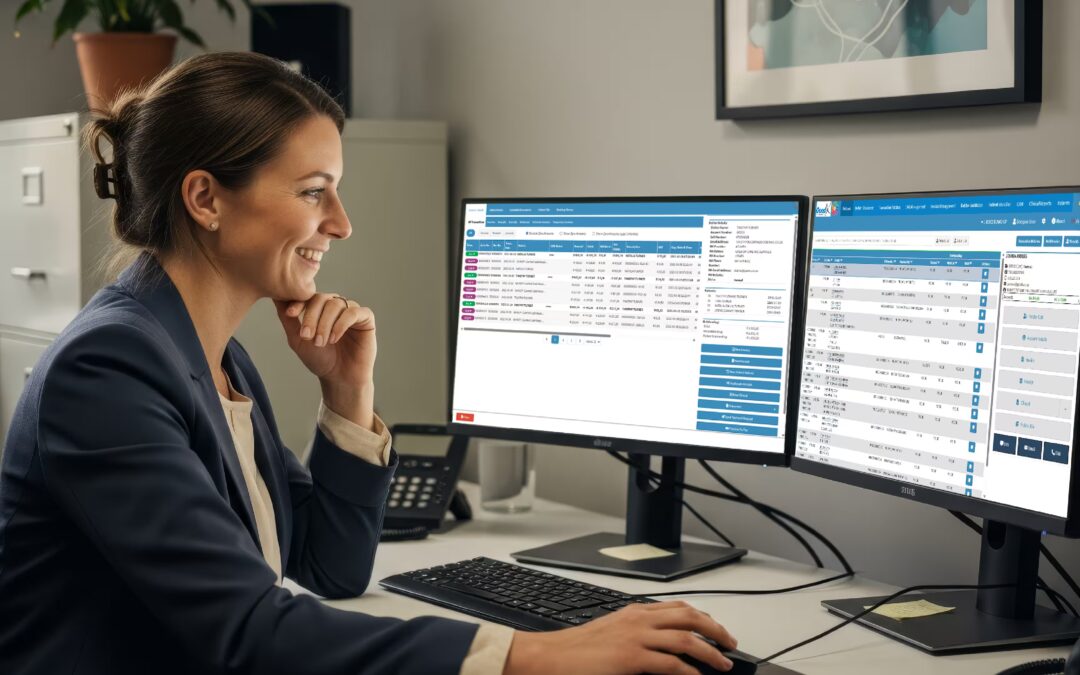

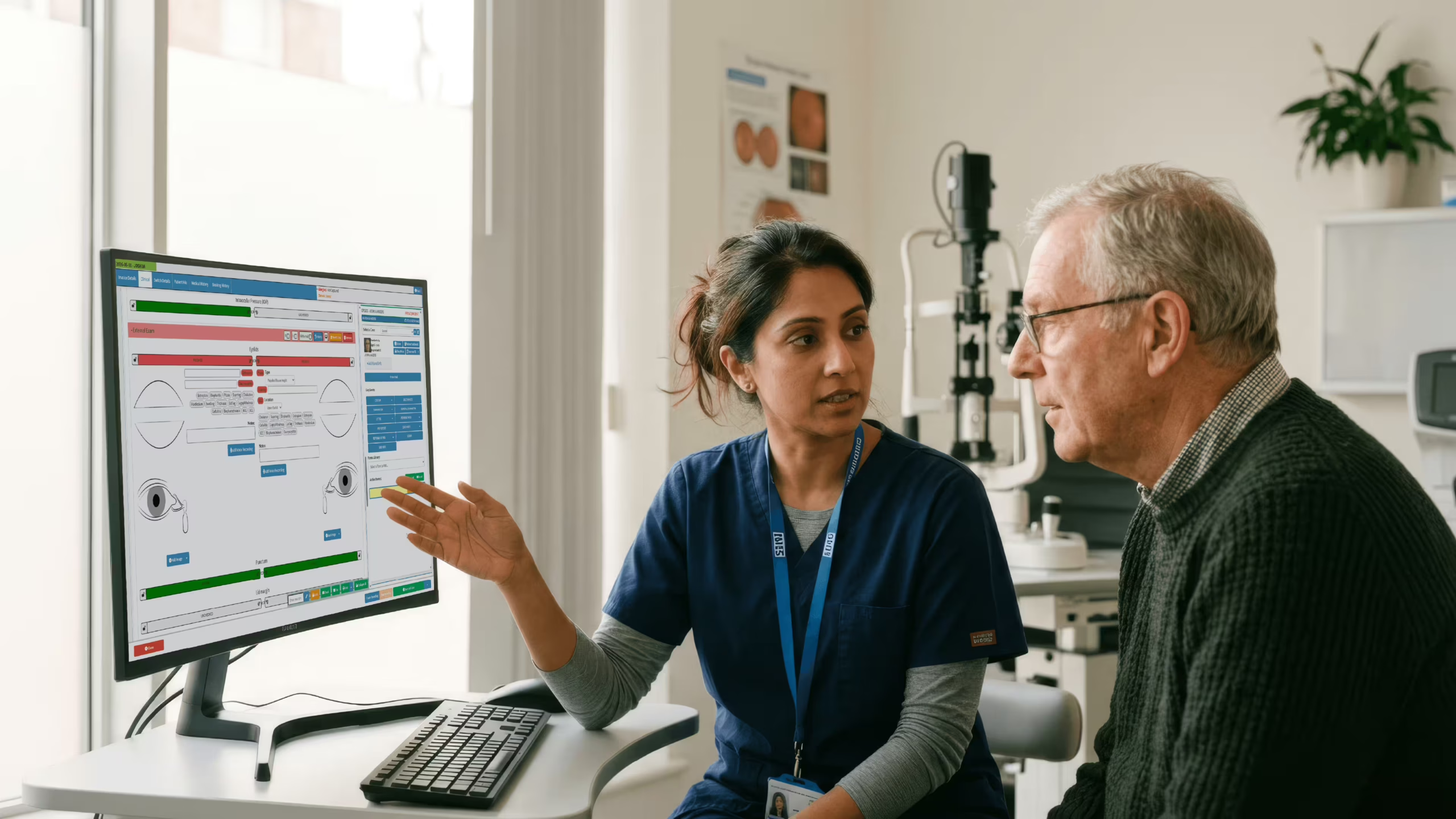
Running an ophthalmology practice in the UK involves managing a clinical speciality with its own unique documentation requirements, diagnostic equipment integrations, billing codes, and patient pathway complexities. Generic medical practice software often falls short because it was not designed with the specific demands of an eye clinic in mind. Ophthalmology practice software built for this speciality delivers a meaningful advantage by aligning the clinical and administrative tools precisely with how ophthalmology practices actually work.
This guide covers what to look for in ophthalmology software for a UK practice, how advanced optometry tools differ from standard clinical platforms, and why finding the best system for your clinic matters more than simply going with the most widely marketed option.
Advanced Optometry Software: What Makes a Platform Speciality-Ready?
The term advanced optometry software refers to platforms that go beyond basic scheduling and billing to support the specific clinical workflows of optometrists and ophthalmologists. These include visual acuity recording, refraction data entry, fundus imaging integration, OCT report management, IOP tracking, and structured follow-up workflows for conditions like glaucoma, macular degeneration, and diabetic retinopathy.
For UK practices, the ability to document clinical findings using structured templates relevant to NICE guidelines and Royal College of Ophthalmologists standards is particularly important. A generic EMR that requires clinicians to adapt their documentation to a non-specialist interface creates unnecessary friction and increases the risk of incomplete records.
Advanced optometry software should also handle the referral pathway efficiently. When a patient needs to be referred to an NHS trust, a surgical colleague, or another specialist, the platform should support structured referral letter generation directly from the clinical record, with the relevant history and findings pre-populated.
According to the Royal College of Ophthalmologists, good clinical record-keeping is a professional and regulatory requirement for all ophthalmologists. Software that supports structured, complete, and easily retrievable records reduces clinical risk and simplifies any CQC inspection or peer review process.
Medical Group Software: Managing Multi-Site and Multi-Practitioner Ophthalmology Practices
Many ophthalmology practices in the UK operate across multiple clinic sites or employ a combination of consultant ophthalmologists, optometrists, and clinical support staff. In these settings, medical group software becomes essential because it coordinates the workflows of multiple practitioners and locations from a single administrative hub.
Medical group software for an ophthalmology context should allow centralised patient record access regardless of which site the patient is being seen at. A patient who was seen at the Birmingham site last month should have their complete record available when they attend the London site today, without any manual transfer of information required.
Scheduling across multiple practitioners and sites is another area where medical group capabilities matter. The system needs to manage different appointment types, different equipment requirements at different locations, and different practitioner availability in a single diary view that is accessible to staff across all sites.
Financial consolidation across sites is the third major requirement. Practice owners and finance managers need to see income, outstanding accounts, and claim statuses across the whole group from a single dashboard, rather than running separate reports for each location and then manually combining the figures.
The Care Quality Commission regulates all independent healthcare providers in the UK, including private ophthalmology practices. Multi-site practices face additional scrutiny during inspections, and having a centralised digital system with comprehensive audit logs, access controls, and record integrity features significantly supports CQC compliance.
Best Ophthalmology EMR Software: What GoodX Offers
Finding the best ophthalmology software for any practice requires balancing clinical functionality, administrative capability, local regulatory compliance, and total cost of ownership. GoodX has built a reputation as one of the most capable integrated practice management and EMR platforms for specialist practices internationally, including ophthalmology.
The platform supports structured clinical documentation that can be adapted to ophthalmology workflows, including consultation note templates, investigation result recording, and follow-up management. On the administrative side, GoodX handles appointment scheduling, patient record management, billing, and financial reporting within the same system.
For UK private ophthalmology practices, the ability to manage private billing accurately, track outstanding accounts, and generate detailed financial reports is as important as the clinical tools. GoodX provides both in a single platform, which eliminates the integration challenges that arise when clinical and billing systems are separate.
Finding the best ophthalmology software for any practice also means assessing vendor support quality. A system that is excellent in theory but difficult to implement or poorly supported in practice delivers limited value. GoodX offers dedicated onboarding support and training resources to ensure practices are using the platform effectively from the start.
According to Health IT Analytics, the single most cited reason for dissatisfaction with clinical software is inadequate fit with speciality-specific workflows. Ophthalmology practices that choose a system designed around their clinical reality, rather than adapting a generic platform, report significantly higher satisfaction and faster adoption.
Key Questions to Ask When Choosing Ophthalmology Practice Software
Before committing to any platform, there are several questions worth asking in a structured demo. Does the system support clinical templates that reflect the documentation requirements of an ophthalmology consultation? Can it handle the volume and complexity of your appointment types? How does it manage diagnostic report integration, and what equipment can it connect with?
On the administrative side: How does the billing module handle private invoicing, insurance claims, and outstanding account management? What financial reporting is available, and how quickly can the reports be generated? Does the system maintain complete audit logs for CQC compliance purposes?
And on support: What onboarding and training is included? How responsive is the support team? Are there UK-specific contacts and account managers, or is support provided from a different time zone?
Frequently Asked Questions
What is ophthalmology practice software?
Ophthalmology practice software is a speciality-specific practice management platform designed to support the clinical and administrative workflows of eye clinics and ophthalmology practices. It typically includes structured clinical documentation tools, appointment scheduling, diagnostic integration, billing, and financial reporting, all configured for the requirements of ophthalmology rather than general practice.
What features should UK ophthalmology practices look for in practice software?
UK ophthalmology practices should look for structured clinical templates aligned with NICE and Royal College of Ophthalmologists guidelines, multi-site and multi-practitioner scheduling, CQC-compliant audit logs and access controls, private billing management, and clear financial reporting. Good onboarding support and UK-accessible customer service are also important practical considerations.
What is the best ophthalmology EMR software for a UK private clinic?
The best ophthalmology EMR for a UK private clinic is one that combines specialist clinical documentation tools with robust administrative and billing capabilities in a single integrated platform. GoodX offers this combination with a focus on practice management efficiency, financial visibility, and adaptable clinical workflows that suit specialist practices.
Can ophthalmology practice software handle multi-site practices?
Yes. Medical group software within an ophthalmology platform is specifically designed for multi-site and multi-practitioner practices. It centralises patient records across locations, coordinates scheduling and resource allocation, and provides consolidated financial reporting for the whole group from a single administrative view.
How does ophthalmology software improve patient experience?
Ophthalmology software improves patient experience by making appointments faster and less prone to scheduling errors, ensuring clinical records are complete and available at every visit regardless of location, enabling more efficient follow-up workflows, and reducing the administrative burden on front desk staff so they have more time for patient interaction. Automated appointment reminders also reduce missed appointments significantly.
Discuss GoodX for Your UK Ophthalmology Practice
GoodX is a comprehensive practice management and EMR platform trusted by specialist practices internationally.