

AI in healthcare has stopped being a future tense conversation. It is in UK surgeries now, drafting notes, sorting referrals, helping radiologists spot what tired eyes might miss at the end of a long list. If you are a GP, you have very likely already worked alongside it.
The trouble is the volume of noise around it.
Let us keep it practical. Real examples, what the NHS is genuinely doing with AI, and whether any of it is actually hard to pick up for a clinician who did not train in computer science.
AI in Healthcare Examples
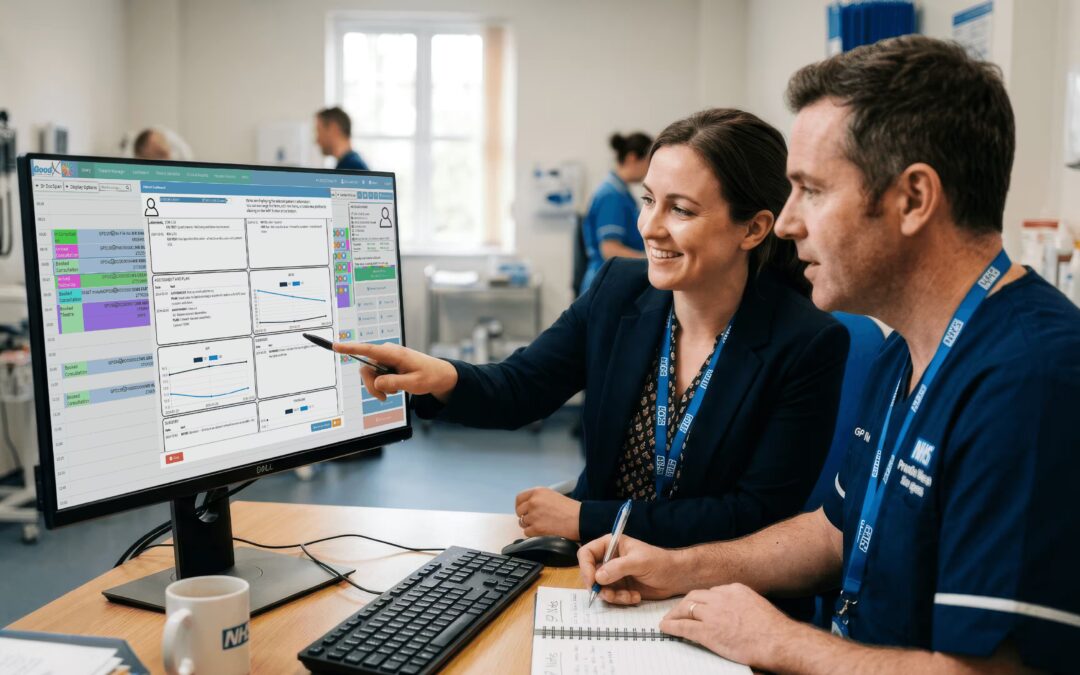
Skip the pitch and look at the tools in daily use. Ambient scribes draft a structured consultation note while you focus on the patient. That can hand a GP back the best part of an hour across a full list.
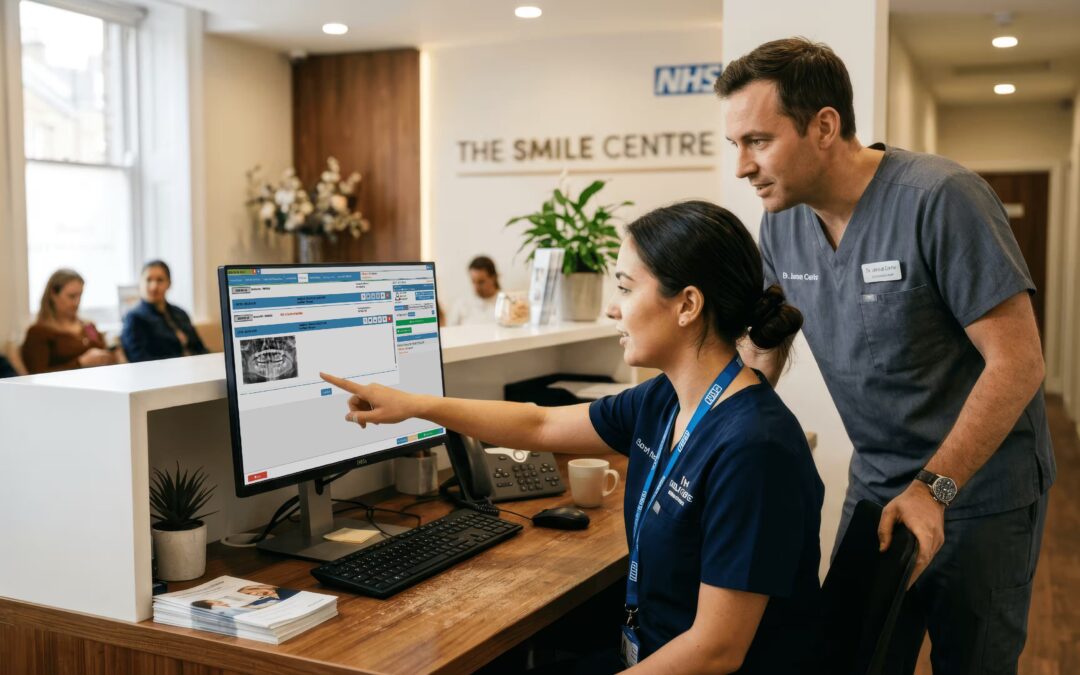
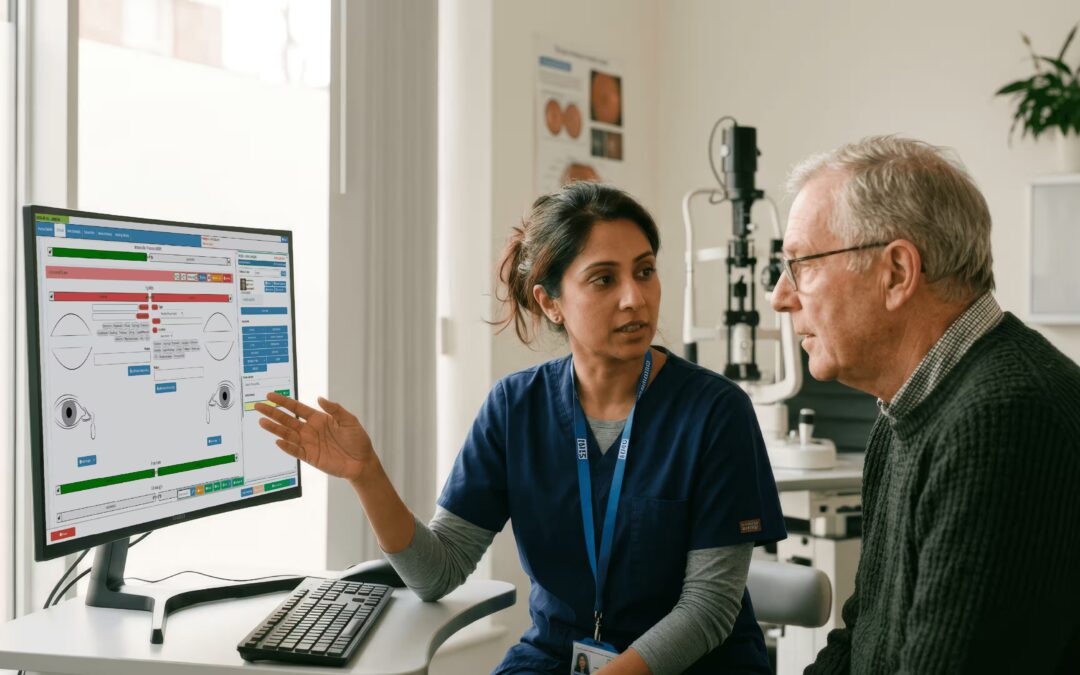
There is plenty more. No show prediction flags the patient likely to miss their slot. Imaging tools support screening for diabetic retinopathy and certain cancers. Coding assistants keep billing and reporting clean. Symptom triage helps route patients before they reach the front desk.
Weighing the AI in healthcare pros and cons fairly, the admin savings are real and so is the danger of a confident wrong answer. Studies in The Lancet show imaging models matching specialist accuracy on specific tasks, always with a clinician signing off. That oversight is the whole arrangement, not an afterthought.
How is AI used in the NHS?
The NHS is not dabbling. It has backed AI deliberately, with real funding and real deployments, while keeping a firm hand on safety.
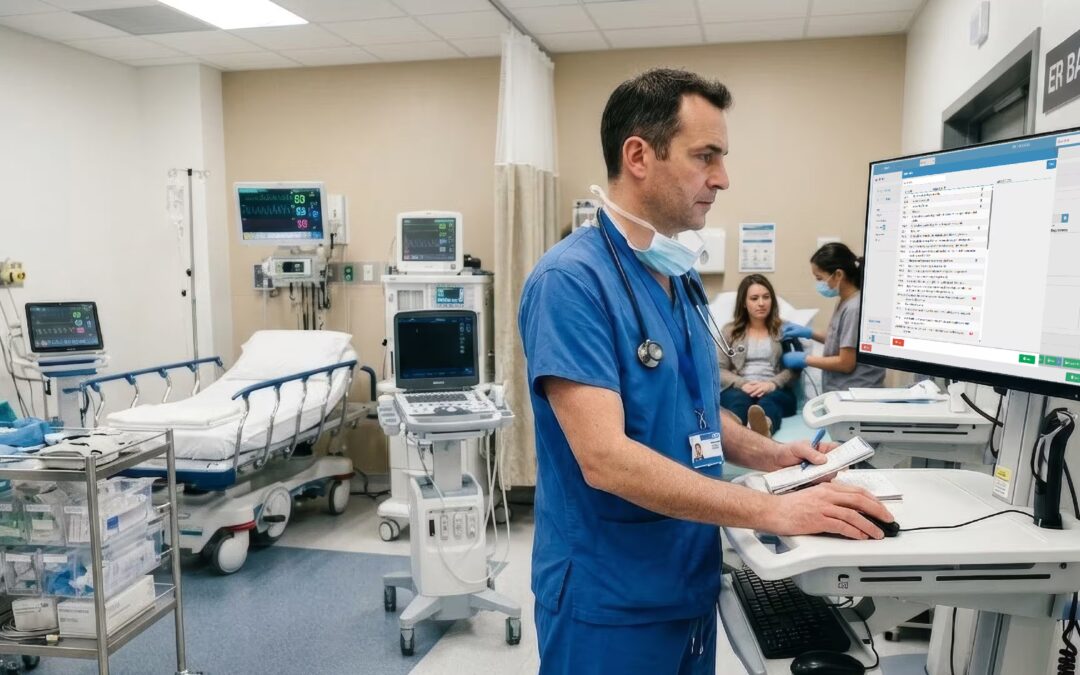
In practice that means AI supporting cancer screening, easing diagnostic backlogs in radiology, and helping manage demand and patient flow. NHS England runs dedicated programmes to test and scale these tools, with evaluation built in rather than bolted on afterwards.
Crucially, the tools are regulated. Clinical AI that affects care is treated as a medical device, and the Medicines and Healthcare products Regulatory Agency oversees that. The clinician still owns the decision, which is exactly as it should be.
Is AI Hard to Learn?
Here is the part that should settle a few nerves. Using AI in practice is not hard. The decent tools are designed to slip into the workflow you already have, not to send you back to study.
A scribe runs quietly during a consult. A scheduling assistant lives in the diary your reception team already uses. If a tool needs weeks of training before anyone can touch it, that is a problem with the tool, not a sign you need to learn to code.
What does take practice is judgement, knowing when a suggestion is sound and when to overrule it. That sharpens with use, much like clinical instinct. The World Health Organization treats digital health literacy as a practical skill for clinicians, not a technical specialism, which fits what most GPs find after living with these tools for a few weeks.
What to Ask Before You Adopt an AI Tool
A polished demo tells you almost nothing about whether a tool belongs in your surgery. The right questions do.
Start with regulation. Is it registered as a medical device where it needs to be, and has the MHRA cleared it for the use you have in mind? Then validation. Was it tested on a population resembling your patients, or somewhere else entirely? Then data. Where does patient information go, who can see it, and does it stay within the bounds the law requires?
Finally, the human question. Does the tool keep the clinician clearly in control, with every meaningful output reviewed, or does it nudge you toward trusting it blindly? If a vendor cannot answer these plainly, that is your answer. The good ones expect the questions and have the paperwork ready.
Keeping the Patient in the Picture
Amid the talk of devices and regulation, it is easy to forget the person in the chair. Patients have a stake in how AI touches their care, and a right to know.
Transparency is straightforward to offer. If a tool is recording a consultation to draft the note, say so, and make clear that you review every word before it stands. Most patients relax once they understand the GP is still the one deciding. Those who would rather not should be able to decline easily, and that wish should be honoured.
Done openly, this strengthens the relationship rather than straining it. It also sits comfortably within UK data protection law, which expects people to understand how their information is being used. A clear sentence at the start of a consultation beats a policy document no patient will ever open.
Begin With the Low Risk Tasks
The safest way into AI is through the side door, starting with the tasks where a mistake is easy to spot and easy to undo.
Documentation and scheduling fit the bill. If a scribe drafts a note imperfectly, you correct it on the spot. If a reminder system misfires, no one is harmed. Prove the value there, build a little trust with your team, and the harder clinical uses become a far easier conversation later. Diving straight into anything that touches a diagnosis is how good intentions turn into incidents.
Frequently Asked Questions
What are examples of AI in healthcare?
Ambient scribes that draft consult notes, no show prediction, imaging tools that support cancer and retinopathy screening, coding assistants that keep billing clean, and symptom triage that routes patients. Each shortens a daily task while the clinician keeps the final decision.
How is AI used in the NHS?
The NHS uses AI to support cancer screening, ease radiology backlogs, and manage patient flow, backed by funded national programmes with evaluation built in. Clinical AI that affects care is regulated as a medical device, and the clinician remains responsible for the decision.
Is AI hard to learn for a GP?
Using it is not hard. Well designed tools fold into your existing workflow rather than demanding technical knowledge. What takes practice is judgement, knowing when to trust a suggestion and when to override it, and that develops naturally the more you use the tools.
Will AI replace GPs in the UK?
No. AI handles repetitive work like drafting notes and supporting screening, but it cannot replace examination, judgement, or the relationship between a GP and patient. The realistic future is clinicians working with AI, spending less time on admin and more with people.
Book Your Free GoodX Demo
AI delivers most inside a system that already runs your diary, records, and billing together. That is where GoodX sits, ready for these tools as they mature.
See how an AI ready practice system would fit your surgery.